By developer support
•
September 19, 2026
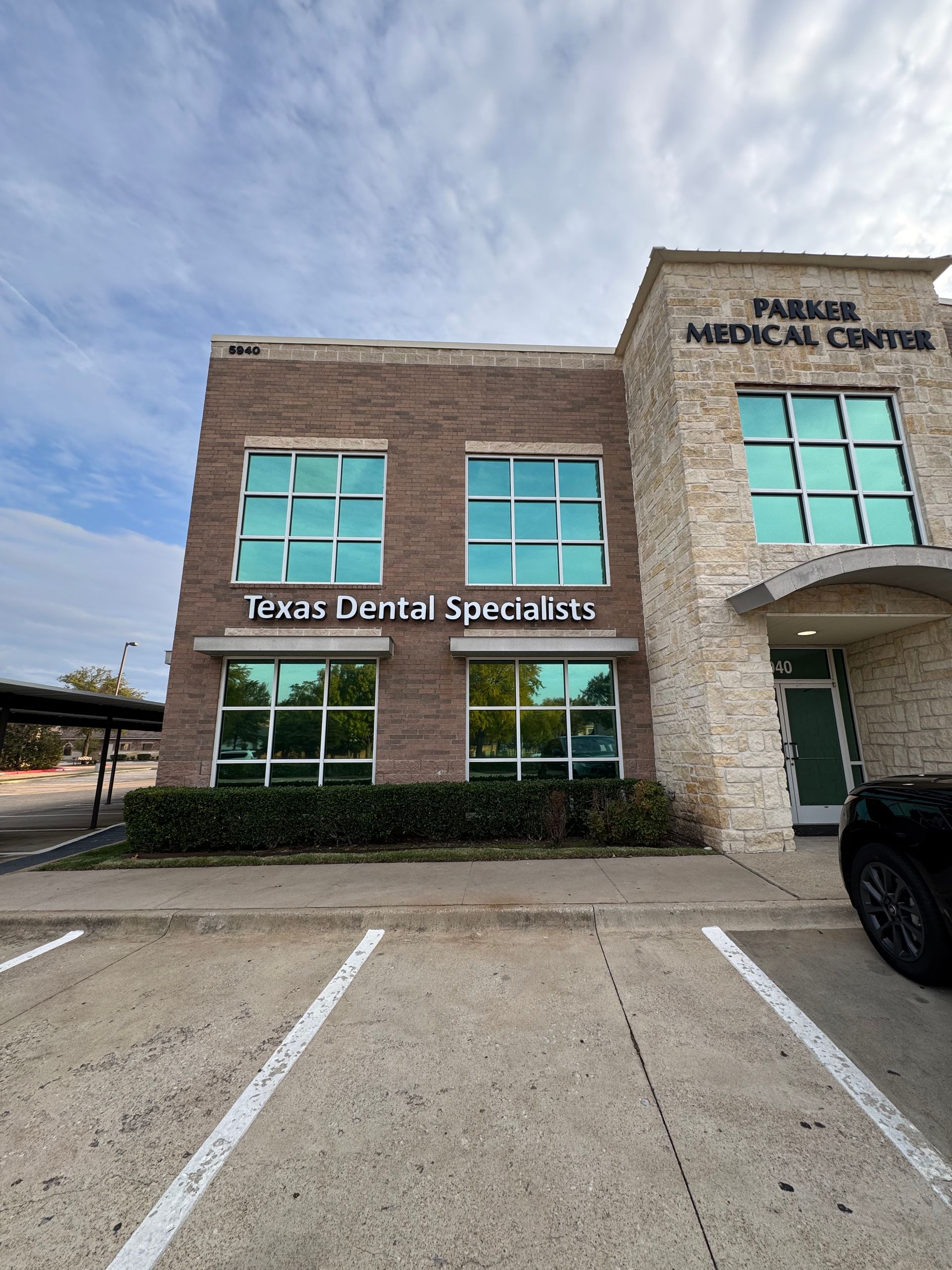
A missing tooth can affect much more than the appearance of a smile. It may make favorite foods harder to enjoy, change the way a person speaks, or cause them to feel self-conscious in social situations. Fortunately, modern dentistry offers several ways to replace missing teeth. For patients researching dental implants in Plano, TX , understanding the treatment is an important first step. Dental implants can provide stable, natural-looking tooth replacement, but they are not automatically the right option for everyone. A thorough evaluation helps determine whether implants fit a patient's oral health, medical needs, goals, and budget. This article provides general educational information and is not a substitute for an examination or personalized advice from a qualified dental professional. What Is a Dental Implant? A dental implant is a small post placed in the jawbone where a natural tooth root once sat. Most contemporary implants are made from biocompatible materials such as titanium. After placement, the surrounding bone may gradually form a stable connection with the implant through a process known as osseointegration . The complete replacement tooth generally has three parts: Implant post: The portion positioned in the jawbone. Abutment: A connector between the implant and the visible restoration. Restoration: The crown, bridge, or denture that replaces the visible teeth. People sometimes use the phrase “dental implant” to describe the entire replacement tooth. Technically, the implant is only the part in the bone. Each component works together to restore appearance and chewing function. Ways Dental Implants Can Replace Missing Teeth Implant treatment can be adapted to different patterns of tooth loss. The recommended design depends on how many teeth are missing, their location, bone support, bite forces, and the condition of the remaining teeth. Single-tooth implant A single implant and crown can replace one missing tooth without relying on neighboring teeth for support. The crown is shaped and shaded to coordinate with the surrounding smile, although no artificial restoration can be guaranteed to look or function exactly like a natural tooth. Implant-supported bridge When several adjacent teeth are missing, a bridge may be supported by strategically placed implants. This does not always require one implant for every missing tooth. The dentist plans the number and location of implants around the patient's anatomy and bite. Implant-supported denture or full-arch restoration Patients missing most or all teeth in an arch may qualify for a removable or fixed restoration supported by multiple implants. Compared with a conventional removable denture, implant support may improve stability. The appropriate design depends on bone availability, cleaning needs, hand dexterity, lifestyle, and clinical findings. Potential Benefits of Dental Implants Dental implants are popular because they replace the tooth root as well as support a visible restoration. Depending on the case, potential benefits may include: Improved stability while speaking and chewing A restoration designed to blend with nearby teeth No need to prepare adjacent healthy teeth for a traditional single-tooth bridge Support for a crown, bridge, or denture Stimulation of the bone in the area where the implant is placed Implants are still artificial dental devices and require ongoing care. Their long-term outlook depends on factors such as oral hygiene, gum health, bone quality, smoking or nicotine use, bite forces, health conditions, maintenance visits, and restoration design. Reviews of dental implant research and development also emphasize that implant treatment involves both biological and mechanical considerations. Who May Be a Candidate for Dental Implants? Many adults with one or more missing teeth can be evaluated for implants. Age alone usually does not tell the whole story. Dentists are more concerned with general health, oral health, jaw development, available bone, and the patient's ability to maintain the restoration. A suitable candidate generally needs healthy or treatable gums, enough bone to support the planned implant, and the ability to heal after surgery. Patients should also be willing to brush carefully, clean around the implant, and attend professional maintenance visits. Certain circumstances may require additional planning. These can include active gum disease, uncontrolled medical conditions, significant bone loss, heavy teeth grinding, smoking or nicotine use, and medications that influence bone or healing. These factors do not always rule out treatment, but they should be discussed openly during the consultation. What if there is not enough bone? Bone can shrink after a tooth has been missing, and some areas naturally have less room for an implant. In selected cases, bone grafting or another preparatory procedure may help create a more suitable foundation. Some patients can receive an implant at the same time as a graft, while others need staged care. Imaging and an in-person examination are needed to determine what is appropriate. What to Expect During the Dental Implant Process Implant treatment is usually a sequence rather than a single visit. The exact order differs among patients, especially when extractions, grafting, or treatment for gum disease is needed. 1. Consultation and planning The dental team reviews the patient's medical and dental history, evaluates the gums and remaining teeth, and takes appropriate images. The visit is also an opportunity to discuss goals, alternatives, expected appointments, comfort options, financial considerations, and possible risks. 2. Preparatory treatment, if needed Active infection or gum inflammation may need attention before implant placement. Some patients may also need a damaged tooth removed or the planned site grafted. Other patients can proceed without these additional steps. 3. Implant placement The area is numbed, and the implant is carefully positioned in the planned location. The dentist provides aftercare instructions based on the procedure and the patient's health. Sedation or other comfort options may be available depending on the practice, procedure, and patient's medical suitability. 4. Early symptom recovery and soft-tissue healing Tenderness, swelling, or minor bruising can occur after implant surgery and is often most noticeable during the early recovery period. These symptoms are different from complete healing. The gum tissue may begin settling around the site while the bone underneath continues a much longer biological process. Patients should follow instructions concerning food choices, oral hygiene, medications, and activity. Increasing pain, persistent bleeding, fever, drainage, worsening swelling, or a feeling that the implant is moving warrants a prompt call to the treating clinician. 5. Osseointegration Osseointegration is the gradual connection between living bone and the implant surface. It takes longer than the initial reduction in soreness or the visible healing of the gums. Healing time varies with the implant site, bone quality, surgical approach, grafting, health factors, and loading conditions. Clinical stability cannot be determined from comfort alone, so the dentist evaluates the site before proceeding. 6. Final restoration Once the clinician determines that the implant is ready, the abutment and custom restoration can be completed. In some treatment plans, a temporary tooth is used earlier for appearance or limited function. A temporary restoration does not mean that osseointegration or the full course of treatment is complete. Are Dental Implants Painful? Local anesthesia is used to numb the treatment area during implant placement. Patients may feel pressure or vibration, but the goal is to keep the procedure comfortable. After the numbness fades, temporary soreness and swelling may occur. Discomfort varies according to the number of implants placed, whether grafting or extractions were performed, and individual healing. The dental team should explain how to manage expected symptoms and when to call. Patients who feel anxious can ask about breaks, communication signals, and available comfort measures before treatment begins. Risks and Maintenance to Understand As with any surgical or restorative procedure, dental implants have potential risks. These may include infection, delayed or unsuccessful integration, gum recession, injury to nearby structures, implant or restoration damage, and inflammation around the implant. Individual anatomy and health can affect risk, which is why careful planning matters. Daily cleaning remains essential even though an implant cannot develop a cavity. Plaque can still inflame the surrounding gums and supporting tissues. Patients should brush thoroughly, use the cleaning tools recommended for their restoration, and keep regular dental visits. Nighttime grinding may also need to be managed to reduce excessive force on the restoration. How Much Do Dental Implants Cost in Plano, TX? There is no single price that applies to every implant case. Cost can change based on the number of missing teeth, type of restoration, imaging, materials, extractions, grafting, sedation, and the complexity of treatment. When comparing estimates, patients should ask what is included. One quote may cover only implant placement, while another may include the abutment, final crown, imaging, or follow-up care. Dental insurance benefits also vary, and medical insurance does not routinely cover standard dental implant treatment. A written treatment plan can make the comparison easier. Cost is important, but it should be considered alongside the clinician's evaluation, treatment design, maintenance requirements, alternatives, and expected longevity. Less expensive options such as a conventional bridge or removable denture may be appropriate in some situations. Frequently Asked Questions About Dental Implants How long does the full implant process take? The timeline varies. Early soreness may improve well before the gum tissue and bone have fully healed. Osseointegration takes longer, and the final restoration is completed only when the treating clinician determines that the implant and surrounding tissues are ready. Grafting, extractions, health factors, and the type of restoration can extend the overall process. Can a tooth be placed on the implant immediately? Some carefully selected patients may receive a temporary restoration on or near the day of implant placement. Immediate appearance does not equal complete healing, and the temporary tooth may have dietary or biting restrictions. Not every site is suitable for this approach. Do dental implants require special cleaning? They require consistent cleaning, but the tools depend on the restoration. A single crown may be cleaned with brushing and interdental care, while an implant bridge or full-arch restoration may require floss threaders, small brushes, or a water flosser. The dental team can demonstrate the appropriate technique. Can smokers receive dental implants? Smoking and nicotine use can interfere with healing and increase complications. A smoker may still be evaluated, but the dentist should discuss the added risk and whether stopping before and after treatment is advisable. Patients should be honest about all nicotine products, including vaping. Are dental implants permanent? Implants are intended as a long-term tooth-replacement option, but no implant or restoration can be guaranteed to last for life. The crown, bridge, attachment, or denture may eventually need repair or replacement even if the implant remains stable. How does someone choose an implant dentist in Plano? Patients can ask about the clinician's implant training, diagnostic process, treatment alternatives, expected follow-up, emergency availability, and who will complete each phase. A good consultation should feel thorough rather than rushed and should provide room for questions. Take the Next Step Toward a Complete Smile Dental implants can be a valuable option for replacing one tooth, several teeth, or a full arch, but successful planning begins with an individualized evaluation. The right approach should consider the patient's health, anatomy, comfort, priorities, and ability to maintain the result. Texas Dental Specialists provides implant dentistry in Plano, TX. Patients who are ready to explore their choices can schedule a consultation at the practice's Plano location, bring a list of medications and questions, and learn which tooth-replacement options may suit their needs.