Emergency Dentist Plano, TX: What to Do When Dental Pain Can’t Wait
A severe toothache, broken tooth, or sudden swelling can disrupt an otherwise ordinary day. It may also leave you wondering whether the problem can wait or requires immediate dental attention.
Knowing how to respond can make the situation feel less overwhelming. An emergency dentist in Plano, TX can evaluate the source of the problem, help relieve discomfort, and recommend appropriate treatment. Until you reach the office, a few sensible precautions may help protect your teeth and gums.
This article provides general information and is not a diagnosis or a substitute for professional dental or medical care. Contact a dentist for guidance about your symptoms. Call 911 or seek emergency medical care for difficulty breathing or swallowing, uncontrolled bleeding, serious facial trauma, or other life-threatening symptoms.
What Counts as a Dental Emergency?
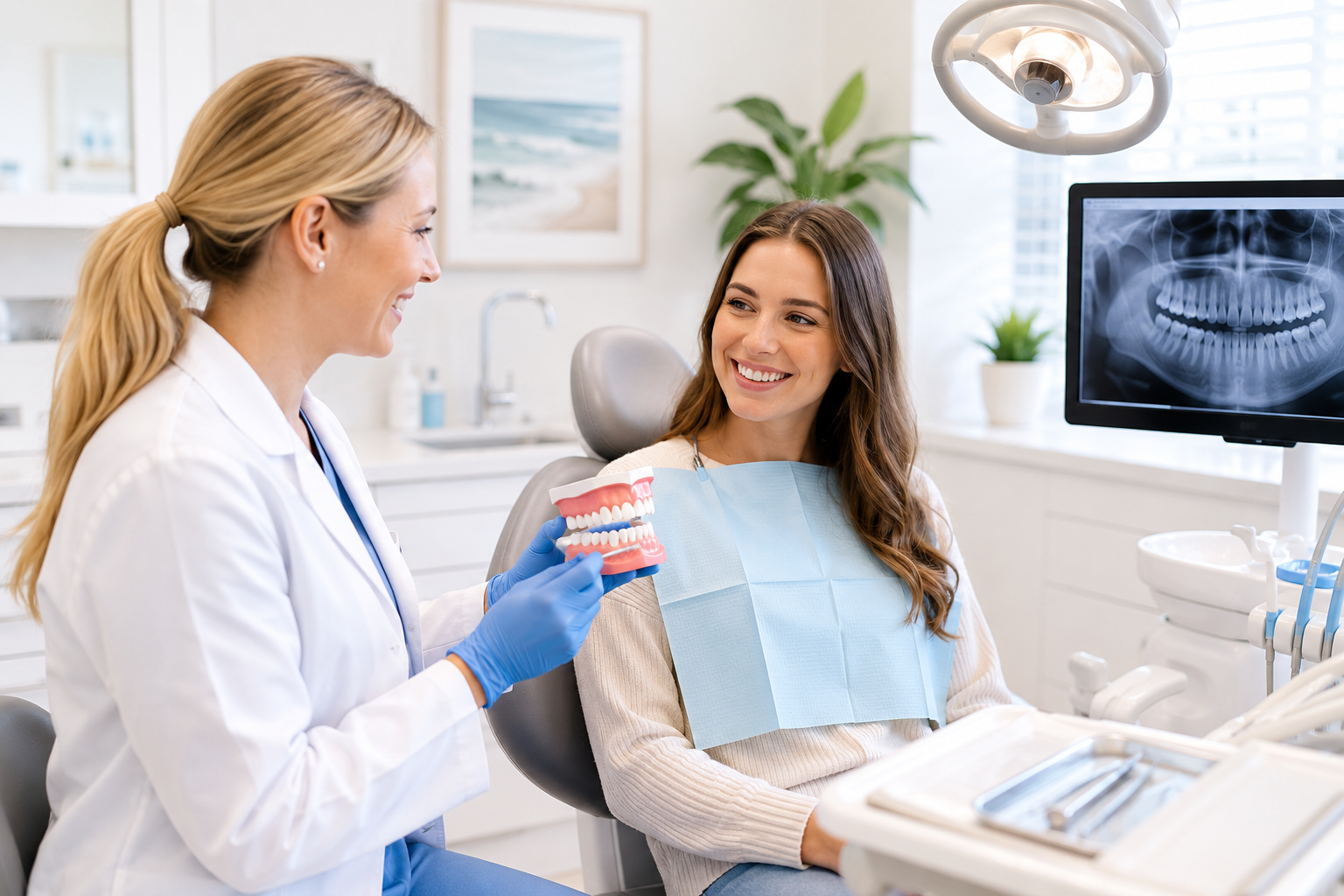
A dental emergency is generally a problem involving the teeth, gums, mouth, or jaw that requires prompt professional evaluation. Pain is an important warning sign, but it is not the only reason to contact a dentist urgently.
Some problems are easy to recognize, such as a knocked-out adult tooth. Others may begin with pressure, sensitivity, or a small area of swelling before becoming more disruptive. When you are uncertain, call a dental office and describe what happened, where the problem is located, and how severe the symptoms feel. The dental team can help determine an appropriate next step.
Severe or Persistent Tooth Pain
A toothache may be related to decay, inflammation, infection, a crack, teeth grinding, or another issue. Because different conditions can produce similar symptoms, pain alone cannot reveal the exact cause.
Contact a dentist promptly if discomfort is severe, continues to worsen, interrupts sleep, or makes eating difficult. Pain accompanied by swelling, fever, drainage, or a bad taste also deserves timely attention.
A Broken, Cracked, or Chipped Tooth
Not every small chip is an immediate emergency, but a significant break may expose sensitive parts of the tooth or create a sharp edge that irritates the tongue or cheek. A crack may also be difficult to see without a dental examination.
Save any tooth fragments you can find and bring them to the appointment. Avoid chewing on the affected side, especially if pressure causes pain.
A Knocked-Out or Displaced Adult Tooth
A knocked-out permanent tooth needs immediate professional attention. Pick it up by the chewing surface rather than the root. If it is dirty, handle it as little as possible and gently rinse it without scrubbing. Contact a dentist immediately for instructions.
A tooth that has shifted position after an injury also requires urgent evaluation. Do not force it back into place unless a dental professional specifically instructs you to do so.
Dental Swelling or a Suspected Infection
Swelling around a tooth, along the gums, or in the face may indicate a problem that should not be ignored. A pimple-like bump on the gum, throbbing discomfort, drainage, or an unpleasant taste may occur with an infection.
Contact a dentist promptly. If swelling spreads toward the eye or neck, or if it is accompanied by difficulty breathing or swallowing, seek emergency medical care rather than waiting for a dental appointment.
Uncontrolled Bleeding or Significant Mouth Trauma
Minor gum irritation can sometimes cause limited bleeding, but bleeding that is heavy or does not stop with gentle pressure needs prompt attention. Injuries involving the jaw, deep facial cuts, loss of consciousness, or other significant trauma should be assessed in an emergency medical setting.
A Lost Filling, Crown, or Dental Restoration
A lost filling or crown may not always cause severe pain, but it can leave the tooth sensitive and vulnerable to further damage. Keep the restoration if you have it, avoid chewing on that side, and call a dentist for advice.
Do not use household glue to reattach a crown. Products that are not intended for use in the mouth may damage the tooth or make professional treatment more difficult.
What to Do Before Seeing an Emergency Dentist
The safest first step is to call the dental office. Explain whether the problem resulted from an injury, when the symptoms started, whether swelling is present, and what makes the discomfort better or worse.
While waiting for professional care, the following general measures may help:
- Rinse gently: Use lukewarm water to clear away food or debris. Avoid aggressive swishing around an injured area.
- Use a cold compress: Place it against the outside of the cheek for short intervals if an injury or swelling is present. Do not apply ice directly to the skin or tooth.
- Protect the area: Avoid chewing on the affected side and choose soft foods if eating is comfortable.
- Follow medication labels: If an over-the-counter pain reliever is normally safe for you, use it only as directed. Ask a pharmacist or clinician if you have health conditions, take other medicines, are pregnant, or are unsure what is appropriate.
- Bring useful information: Take any broken tooth pieces or displaced restorations with you. A list of current medications and relevant health conditions may also help the dental team plan care.
Do not place aspirin directly on a tooth or gum, attempt to drain swelling, or use sharp objects to investigate the area. Home measures may temporarily reduce discomfort, but they do not identify or treat the underlying cause.
What Happens During an Emergency Dental Visit?
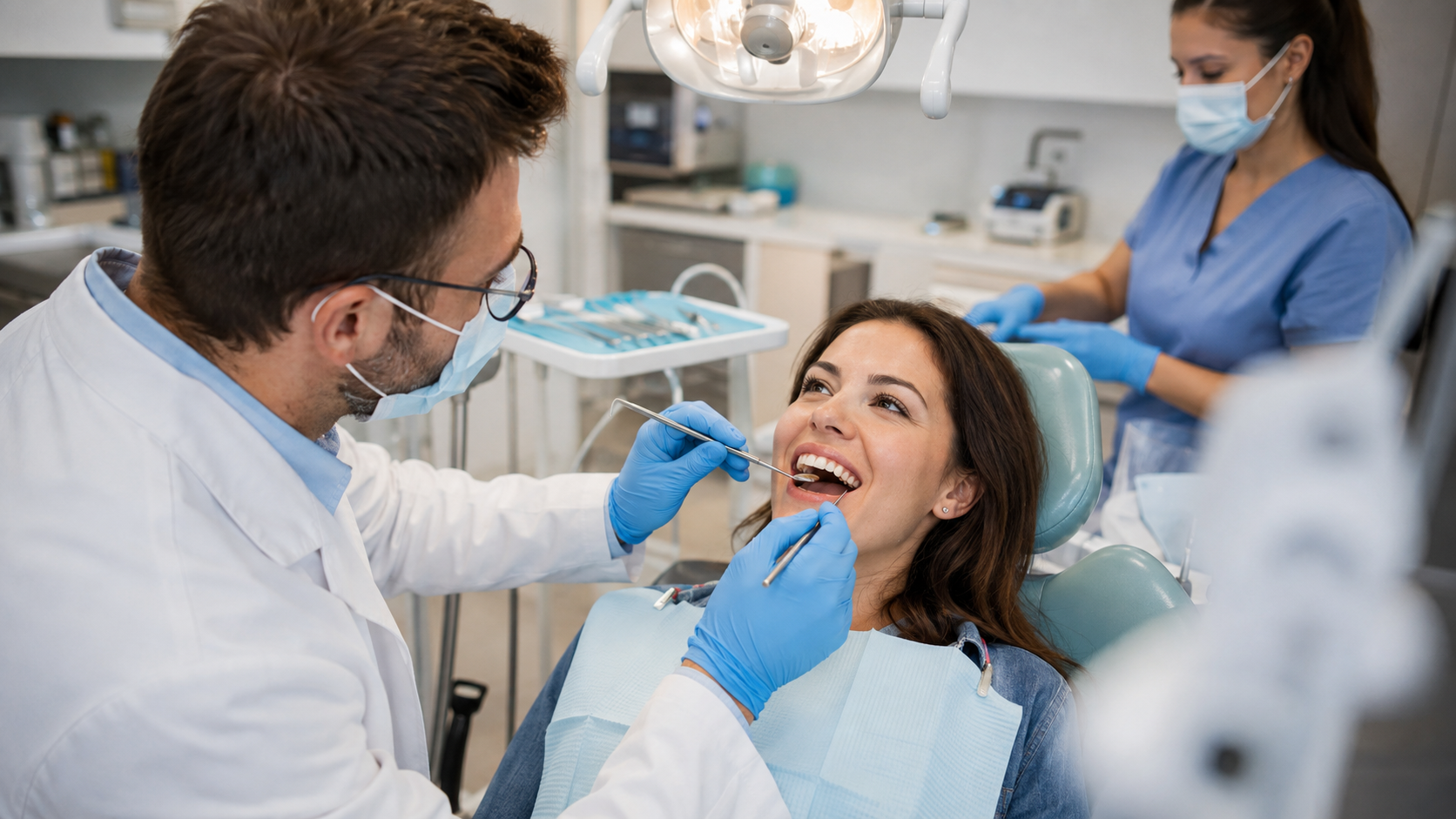
An emergency appointment usually begins with questions about the symptoms and the event that caused them. The dentist may ask when the pain began, whether it comes and goes, and whether heat, cold, biting, or pressure affects it.
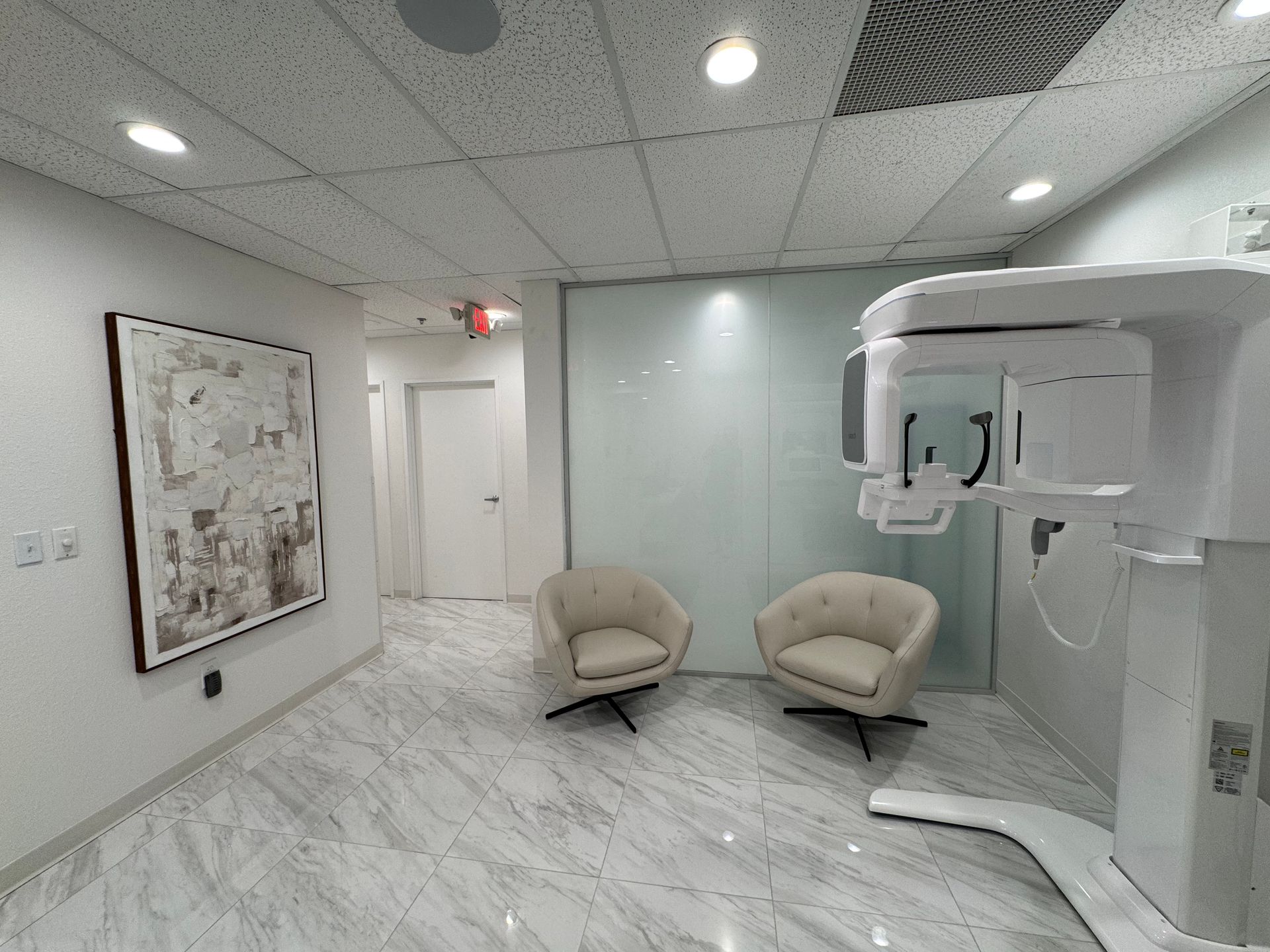
The clinical examination may include checking the tooth, surrounding gums, bite, and nearby tissues. Dental X-rays may be recommended when they are needed to evaluate areas that cannot be seen directly.
Once the dentist understands the problem, the immediate goal is often to control pain, protect the affected area, and address urgent risks. Depending on the findings, treatment might involve repairing a restoration, stabilizing a tooth, treating the inside of a tooth, managing damaged gum tissue, or removing a tooth that cannot be predictably restored. A temporary solution may sometimes be used until definitive care can be completed.
Treatment is not identical for every patient. The recommended approach depends on the diagnosis, extent of damage, medical history, and condition of the surrounding teeth and tissues. The dentist should explain the available options, expected costs, and follow-up needs before proceeding whenever circumstances allow.
When to Call a Dentist and When to Visit the ER
A dental office is generally the appropriate first call for tooth pain, broken teeth, lost restorations, gum swelling, or dental injuries that are limited to the mouth. A hospital emergency department is better equipped for potentially life-threatening complications and major trauma.
Call 911 or seek emergency medical attention for:
- Difficulty breathing or swallowing
- Rapidly spreading swelling involving the face or neck
- Uncontrolled or heavy bleeding
- A suspected broken jaw or major facial injury
- Loss of consciousness, confusion, or other signs of a head injury
When symptoms do not appear life-threatening but still feel urgent, contacting a dentist is the safest way to determine whether an immediate visit is needed.
How to Reduce the Risk of Future Dental Emergencies
Not every emergency can be prevented, particularly those caused by accidents. However, routine care can help a dental team identify weakened fillings, decay, gum concerns, and damaged teeth before they become more painful.
Helpful preventive habits include:
- Brushing twice daily with fluoride toothpaste
- Cleaning between the teeth each day
- Attending dental examinations and cleanings at recommended intervals
- Wearing an appropriate mouthguard during contact or high-impact sports
- Avoiding chewing ice, hard candy, pens, and other objects that may crack teeth
- Using scissors rather than teeth to open packages
- Discussing nighttime grinding or clenching with a dentist
It is also helpful to keep a dental office’s contact details saved in your phone. When a problem occurs, you will not have to search for assistance while you are uncomfortable or worried.
Frequently Asked Questions About Emergency Dentistry
Can a severe toothache go away on its own?
Tooth pain can change or temporarily improve, but that does not confirm that the underlying problem has resolved. A dentist should evaluate persistent, severe, or recurring pain, particularly when it occurs with swelling or other symptoms.
Is a chipped tooth always an emergency?
A minor chip without pain may not require immediate treatment, but it should still be assessed. Prompt care is more important when the break is large, the tooth is painful, a sharp edge is cutting the mouth, or the injury has loosened the tooth.
Should someone go to the emergency room for tooth pain?
A dentist is usually best equipped to diagnose and treat a problem limited to a tooth. Emergency medical care is appropriate when there is difficulty breathing or swallowing, significant facial trauma, uncontrolled bleeding, rapidly spreading swelling, or another potentially life-threatening concern.
What should a patient bring to an emergency dental appointment?
Bring identification, insurance information if applicable, a current medication list, and details about relevant health conditions. Bring any broken tooth fragments, crowns, or other restorations in a clean container. Patients can also note when symptoms began and what seems to trigger them.
Will emergency treatment fix the entire problem in one visit?
Sometimes treatment can be completed during the emergency appointment. In other cases, the first visit focuses on diagnosis, comfort, and stabilization, with definitive treatment scheduled later. The plan depends on the condition and the type of care required.
Can a patient receive emergency dental care without insurance?
Dental offices may see both insured and uninsured patients, but payment policies and financing options vary. Calling ahead gives the patient an opportunity to ask about examination fees, estimated treatment costs, accepted payment methods, and available financial arrangements.
Find Reassuring Emergency Dental Care in Plano, TX
Dental pain and injuries are stressful, but patients do not have to decide what to do alone. A quick conversation with a dental team can clarify how urgently the problem should be assessed and what precautions to take in the meantime.
Texas Dental Specialists provides emergency dentistry information for patients in Plano, TX. If you have a painful tooth, damaged restoration, swelling, or another urgent concern, call or text (469) 306-0894 to describe the problem and ask about appointment availability.
The practice is located at 5940 West Parker Road, Plano, TX 75093. Patients may also use the practice contact page to request more information. Reaching out promptly can help the dental team guide the next step and restore some peace of mind.