Dental Cleaning in Plano, TX: What to Expect and Why It Matters
A professional dental cleaning may seem like a simple appointment, but it plays an important role in protecting a person’s teeth and gums. Even with consistent brushing and flossing, plaque can remain in hard-to-reach places and eventually harden into tartar. Once tartar forms, it generally requires professional dental instruments to remove it safely.
For anyone searching for a dental cleaning in Plano, TX, understanding the process can make the visit feel much more comfortable. A routine cleaning is typically straightforward, and the dental team can adjust the experience for people with sensitive teeth, dental anxiety, or specific oral health concerns.
This guide explains what happens at a cleaning, how often appointments may be recommended, and what patients can do to keep their smiles healthy between visits.
What Is a Professional Dental Cleaning?

A professional teeth cleaning, sometimes called dental prophylaxis, removes plaque, tartar, and surface stains from the teeth. Plaque is a sticky film that develops throughout the day. If it is not removed effectively, minerals in saliva can cause it to harden into tartar, also known as calculus.
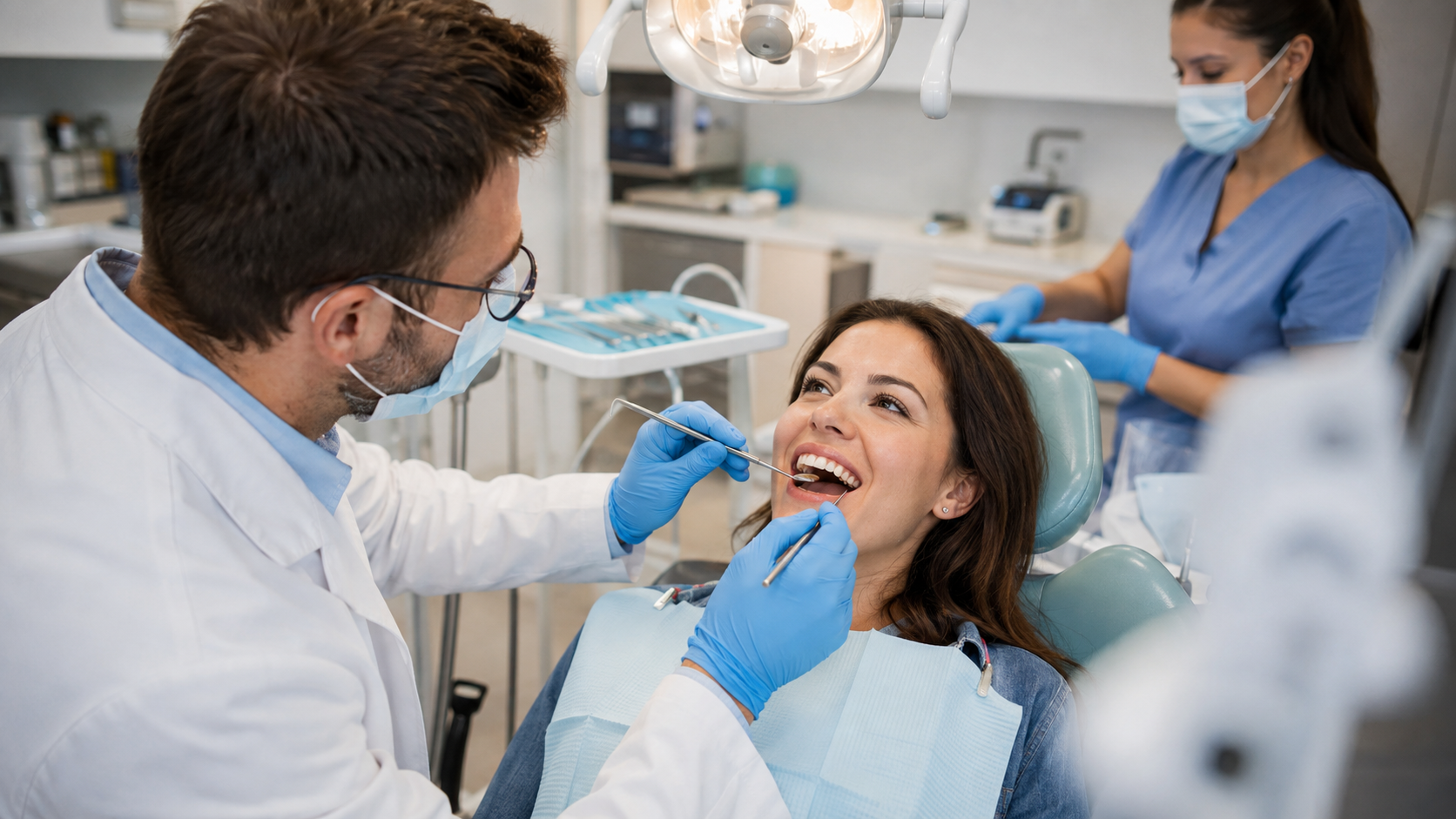
Toothbrushes and floss help control daily plaque, but they cannot reliably remove hardened tartar. A dental hygienist or dentist uses specialized instruments to clean around the gumline, between the teeth, and in other areas that may be difficult to reach at home.
A cleaning is also an opportunity for the dental team to look for changes that may need attention. Depending on the visit, this may include evaluating the teeth and gums, reviewing home-care habits, and taking dental X-rays when clinically appropriate.
What Happens During a Routine Dental Cleaning?
Every appointment is tailored to the patient, but a routine cleaning commonly includes several familiar steps.
Review of dental and health history
The team may begin by asking about current medications, health conditions, recent dental changes, or areas of discomfort. This information helps the dentist provide care that fits the patient’s overall needs.
Patients should mention concerns such as bleeding gums, sensitivity, dry mouth, jaw discomfort, or a tooth that feels different. They should also tell the team if dental appointments make them nervous. Clear communication allows the team to explain each step and make reasonable comfort adjustments.
Evaluation of the teeth and gums
Before or during the cleaning, the dental professional examines the mouth for visible plaque, tartar, inflammation, decay, damaged restorations, and other concerns. Gum measurements may be taken to evaluate the spaces between the teeth and gums.
A dentist may also perform a comprehensive or periodic examination. X-rays are not automatically necessary at every cleaning; their timing depends on factors such as age, oral health, dental history, symptoms, and risk of disease.
Plaque and tartar removal
The hygienist removes deposits using hand instruments, ultrasonic equipment, or a combination of both. An ultrasonic scaler uses gentle vibration and water to loosen buildup. Hand instruments allow the hygienist to carefully clean specific areas around and between the teeth.
Patients may notice scraping sounds, water, or light pressure. These sensations are normal. If an area feels tender or sensitive, the patient can ask for a pause at any time.
Polishing and cleaning between the teeth
After tartar has been removed, the teeth are usually polished with a rotating cup and professional polishing paste. Polishing helps remove certain surface stains and leaves the teeth feeling smooth.
The hygienist may then floss between the teeth. This step can also reveal areas where floss catches, food collects, or the gums bleed easily. The team may demonstrate a different flossing method or recommend another cleaning tool when appropriate.
Personalized preventive guidance
Advice should reflect the patient’s needs rather than follow a one-size-fits-all script. A patient with braces, implants, bridges, limited hand dexterity, or tightly spaced teeth may benefit from specific oral hygiene aids. Fluoride treatment may also be discussed when the dentist believes it would be useful.
Routine Cleaning vs. Deep Cleaning
A routine cleaning and a deep cleaning are not interchangeable. A routine cleaning generally focuses on plaque and tartar deposits associated with preventive care when the gums are relatively healthy.
A deep cleaning, commonly called scaling and root planing, may be recommended when an examination identifies signs of gum disease and deposits below the gumline. This treatment cleans deeper areas around tooth roots and may be completed in sections for comfort and thoroughness.
Needing a deep cleaning does not mean a patient has failed. Genetics, smoking or tobacco use, certain health conditions, medications, oral hygiene challenges, and gaps in professional care may all affect gum health. The dentist should explain the findings, recommended treatment, alternatives, and expected costs before proceeding.
This article offers general education and cannot determine which type of cleaning an individual needs. A dentist or dental hygienist must evaluate the teeth and gums and provide personalized advice.
Does a Dental Cleaning Hurt?
Most routine cleanings cause little or no significant discomfort. However, the experience varies. Inflamed gums, exposed root surfaces, heavy tartar buildup, and tooth sensitivity can make certain areas feel tender.
Patients can make the appointment easier by telling the hygienist about sensitive spots before treatment begins. The team may adjust the instrument, water temperature, pressure, or pacing. Breaks can be provided, and comfort options may be discussed when clinically appropriate.
Mild gum tenderness or temporary sensitivity may occur after a cleaning, particularly when there was substantial buildup or existing inflammation. Persistent pain, swelling, or symptoms that become worse should be reported to the dental office.
How Often Should Teeth Be Professionally Cleaned?
There is no ideal schedule for every person. Many patients follow a regular preventive schedule, but the right interval depends on oral health, gum condition, cavity risk, home care, tobacco use, dry mouth, medical history, and previous dental treatment.
Someone with stable oral health may need a different schedule from a patient managing active gum disease or frequent decay. The dentist and hygienist can recommend an interval after examining the mouth and reviewing relevant risk factors.
Keeping recommended appointments can help the dental team monitor small changes instead of waiting for discomfort. Many dental conditions do not cause obvious symptoms in their early stages, so feeling fine is not always a reliable reason to postpone preventive care.
How to Prepare for a Dental Cleaning
A cleaning usually requires very little preparation. These simple steps can help the visit run smoothly:
- Share an updated medication list. Include prescription drugs, over-the-counter medicines, and supplements.
- Mention health changes. Tell the team about recent diagnoses, surgeries, pregnancy, allergies, or changes in overall health.
- Explain dental concerns. Point out sensitivity, bleeding, bad breath, loose teeth, sores, or discomfort while chewing.
- Discuss anxiety early. Letting the office know in advance gives the team time to plan a calmer appointment.
- Bring insurance information. Coverage differs by plan, so patients should confirm benefits and ask for an estimate of their expected cost.
There is no need to brush aggressively before the visit. Normal brushing and flossing are sufficient, and the dental team is there to help without judgment.
Caring for Teeth Between Cleanings
Professional care works best when it is supported by daily habits. Patients should brush thoroughly with fluoride toothpaste and clean between their teeth using floss, interdental brushes, or another dentist-recommended aid. Consistency matters more than using excessive pressure.
A soft-bristled toothbrush is appropriate for many people. Brushing too hard can irritate the gums and may contribute to wear in vulnerable areas. A dentist or hygienist can show patients how to angle the brush along the gumline and reach the back teeth more effectively.
It also helps to limit frequent exposure to sugary drinks and snacks, drink water regularly, and avoid tobacco. Mouthwash can be useful in some situations, but it does not replace brushing, interdental cleaning, or professional treatment.
Choosing a Dental Cleaning in Plano, TX
A comfortable preventive visit depends on more than simply removing tartar. Patients should look for a dental team that listens, explains findings in plain language, respects comfort needs, and recommends care based on the individual rather than using the same approach for everyone.
It is reasonable to ask what the appointment includes, whether an examination or X-rays are expected, how costs are handled, and what comfort options are available. A trustworthy team should welcome questions and provide time for informed decisions.
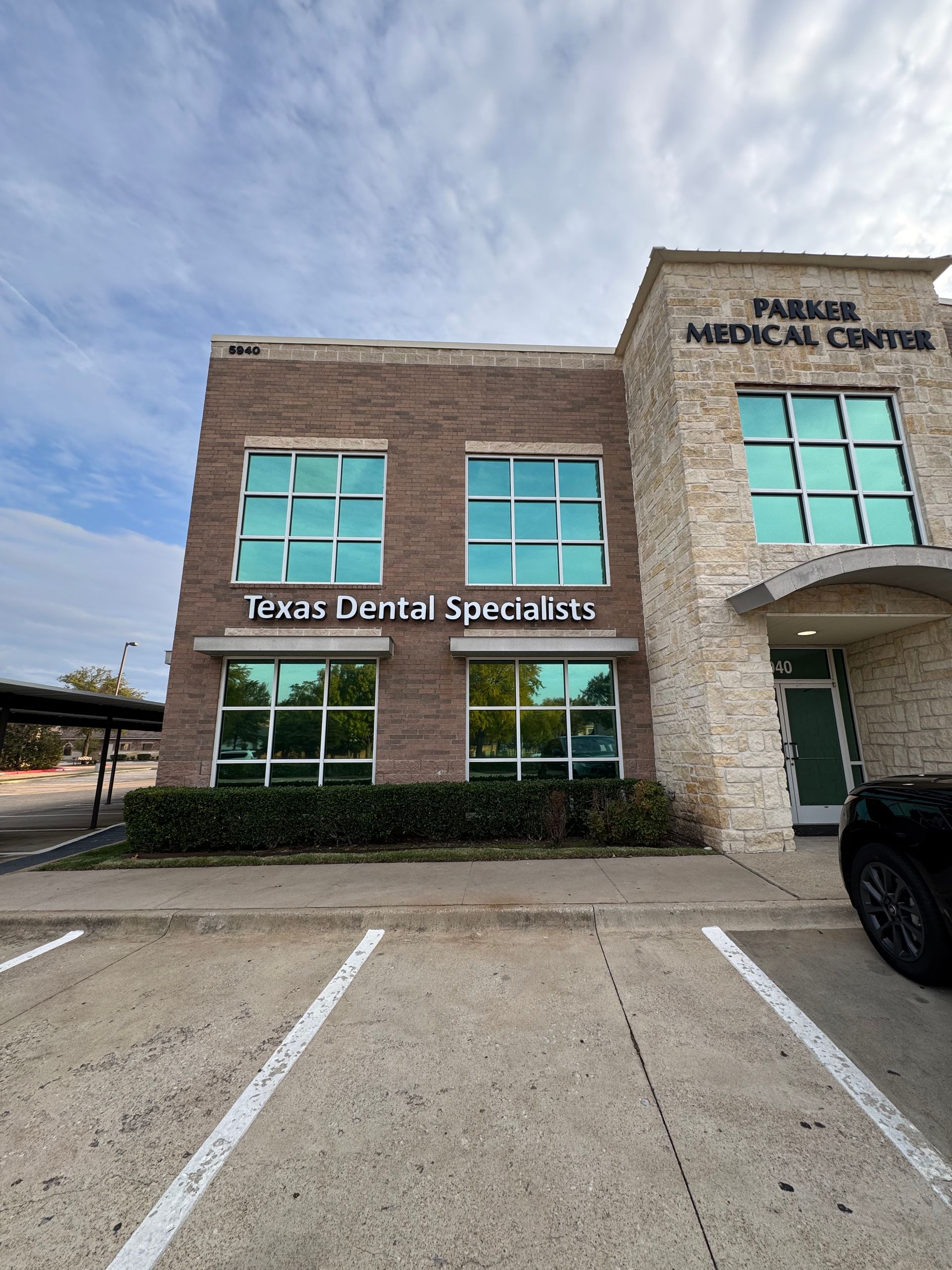
Texas Dental Specialists provides professional teeth cleaning and dental examination and cleaning services for patients in Plano and the surrounding North Dallas area.
Frequently Asked Questions
Can brushing and flossing replace a professional cleaning?
No. Home care is essential for controlling plaque, but a toothbrush and floss cannot reliably remove tartar after it has hardened. Professional instruments are designed to remove these deposits while protecting the teeth and gums.
Will a cleaning make teeth whiter?
A cleaning can remove some external stains caused by foods, beverages, or tobacco, so the smile may look brighter afterward. It does not change the natural internal color of the teeth in the same way as professional whitening.
Why do gums bleed during a cleaning?
Bleeding may occur when gum tissue is inflamed or when plaque and tartar have accumulated near the gumline. Other factors can also contribute. Patients with frequent, unexplained, or persistent bleeding should arrange a dental evaluation rather than trying to diagnose the cause themselves.
Can someone get a cleaning with sensitive teeth?
Yes. Sensitivity should be mentioned before the cleaning starts. The hygienist may change the technique, use different instruments, take breaks, or discuss appropriate comfort measures.
How much does a dental cleaning cost in Plano?
Cost varies based on the type of cleaning, whether an examination or X-rays are needed, insurance benefits, and the patient’s oral health. A routine preventive cleaning and treatment for gum disease have different fees. Patients should request a personalized estimate from the dental office and verify benefits with their insurer.
Should a patient wait for tooth pain before scheduling?
No. Preventive appointments are intended to identify and manage concerns before they become uncomfortable or more complicated. Anyone experiencing pain, swelling, dental trauma, or signs of infection should contact a dentist promptly rather than wait for a routine cleaning.
A Cleaner Smile Starts With a Comfortable Conversation
Regular dental cleanings support healthy teeth and gums, but good care should always feel personal. Patients deserve clear explanations, gentle treatment, and practical guidance they can use at home.
Those who are due for a dental cleaning in Plano, TX, or who are unsure which kind of appointment they need, can contact Texas Dental Specialists at 5940 W. Parker Road, #103, Plano, TX 75093. The team can answer questions, discuss individual concerns, and help patients take the next step toward a healthier smile.