How to Choose a Cosmetic Dentist in Plano, TX
A smile does not need to look “perfect” to make a person feel confident. Sometimes, a brighter shade, a repaired chip, or a more balanced tooth shape can make smiling feel easier. For anyone searching for a cosmetic dentist in Plano, TX, the most important step is finding a dental team that listens carefully and places oral health ahead of appearance alone.
Cosmetic dentistry includes several treatments designed to improve the color, shape, spacing, alignment, or overall appearance of teeth. The right option depends on the condition of the teeth and gums, the patient’s priorities, and how much care the person wants to commit to over time.
This guide explains what cosmetic dentistry may address, how common procedures differ, and what patients should ask before moving forward.
Dental disclaimer: This article provides general educational information and is not a diagnosis or treatment recommendation. A dentist must examine the teeth, gums, bite, and relevant health history before determining whether a cosmetic procedure is appropriate.
What Does a Cosmetic Dentist Do?
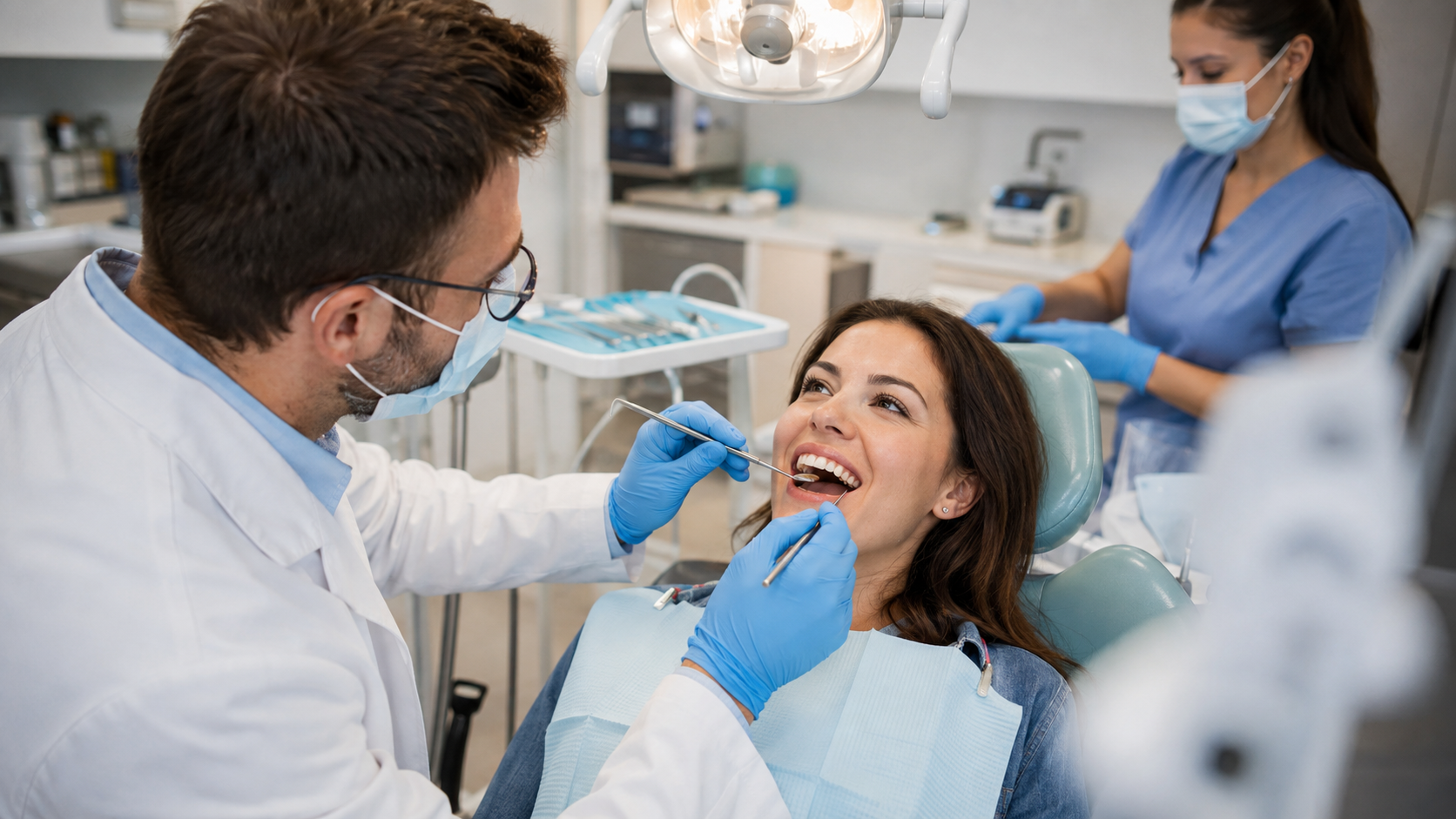
A cosmetic dentist focuses on improving the appearance of a smile while protecting its health and function. Although a patient may arrive with a concern about discoloration or uneven teeth, the evaluation should look beyond what is visible in the mirror.
For example, a chipped tooth may result from an accident, but it can also be associated with teeth grinding or an uneven bite. Stains may respond well to professional whitening, while restorations such as crowns or fillings will not whiten in the same way as natural enamel. A space in the smile might be addressed with bonding, veneers, or orthodontic treatment depending on its cause and size.
A thoughtful cosmetic plan therefore starts with a dental examination. The dentist may evaluate:
- Tooth decay, cracks, and existing restorations
- Gum health and gumline symmetry
- Tooth color, shape, size, and position
- Bite alignment and signs of clenching or grinding
- Missing teeth or areas of bone loss
- The patient’s goals, preferences, and budget
If active decay or gum disease is present, the dentist may recommend addressing it before beginning elective cosmetic care. Building a new smile on a healthy foundation can help protect both appearance and function.
Common Cosmetic Dentistry Options
Cosmetic dentistry is not a single treatment. Some procedures are conservative and require little or no alteration of the teeth, while others involve a longer-term commitment. At Texas Dental Specialists’ cosmetic dentistry practice in Plano, available options include teeth whitening, porcelain veneers, dental bonding, and Invisalign®. Treatment recommendations are customized to the individual rather than based on a one-size-fits-all smile design.
Professional Teeth Whitening
Professional whitening is commonly considered for natural teeth that have darkened or developed stains from foods, drinks, tobacco, or normal aging. A dental team can first check for cavities, gum irritation, exposed roots, and restorations that may affect the result.
Whitening changes the shade of natural tooth structure, but it does not change tooth shape or alignment. It also does not lighten crowns, veneers, bonding, or tooth-colored fillings. Patients with visible restorations may need a broader plan if they want a more uniform shade.
Dental Bonding
Dental bonding uses tooth-colored resin to reshape selected areas. It may be considered for small chips, minor gaps, uneven edges, or localized discoloration. Bonding is often a conservative choice because the dentist can add material directly to the tooth.
However, bonding material can stain, wear, or chip over time. Its suitability depends on the location of the tooth, the person’s bite, and habits such as nail biting or chewing ice. Patients should ask what maintenance may be needed and how bonding compares with other options for their specific concern.
Porcelain Veneers
Veneers are thin restorations placed over the front surfaces of selected teeth. They may change several features at once, including color, shape, apparent size, and the appearance of minor spacing or unevenness.
Because veneer treatment may require alteration of natural tooth structure, patients should understand that it can be an ongoing commitment. A cosmetic dentist should explain how much preparation is expected, what the proposed smile will look like, and what may happen if a veneer eventually becomes damaged or needs replacement.
Invisalign Clear Aligners
Clear aligners gradually reposition teeth rather than covering or reshaping them. They may be appropriate when the primary concern involves crowding, spacing, or alignment. Orthodontic movement can sometimes create a healthier, more balanced foundation before whitening, bonding, or other cosmetic care.
Aligners require consistent wear and ongoing monitoring. They are not appropriate for every bite or alignment concern, so an in-person assessment is essential. Patients should ask whether treatment will address the bite as well as the visible front teeth.
Cosmetic Dental Implants
When a tooth is missing or cannot be predictably restored, a dental implant may be considered as part of a restorative and cosmetic plan. An implant supports a replacement tooth, but candidacy depends on factors such as oral health, available bone, medical history, and the location of the missing tooth.
Implant treatment involves multiple stages, and early post-procedure recovery is not the same as deeper tissue healing, integration of the implant with the jawbone, or delivery of the final restoration. The sequence varies by patient and should be explained during a clinical consultation. Texas Dental Specialists provides additional information about cosmetic dental implants in Plano.
How to Choose a Cosmetic Dentist in Plano, TX
The best cosmetic experience begins with clear communication. Before choosing a dentist, patients can look beyond dramatic before-and-after photos and consider how the practice plans treatment, discusses limitations, and responds to questions.
Look for a Health-First Approach
A responsible cosmetic dentist evaluates the gums, teeth, bite, and existing dental work before recommending treatment. Be cautious when a complicated smile change is suggested without a thorough examination or without discussing underlying oral health concerns.
Ask to See Relevant Cases
Before-and-after images can help patients understand a dentist’s approach to tooth shape, proportion, and natural-looking results. It is useful to request examples involving concerns similar to the patient’s own, while remembering that no two mouths will respond in exactly the same way.
Discuss Conservative Alternatives
More treatment is not always better. A patient interested in veneers may discover that whitening and bonding could address the concern with less alteration of natural tooth structure. Another person may benefit from aligning the teeth before changing their shape.
A good consultation should compare reasonable options, including the benefits, limitations, maintenance needs, and long-term commitment associated with each one.
Make Sure the Goal Is Clearly Understood
Words such as “natural,” “bright,” and “straight” can mean different things to different people. Patients can bring photographs, point out particular teeth, and explain what they do and do not want changed.
The dentist may use photographs, models, digital planning, shade guides, or temporary previews when appropriate. These tools can support communication, but they should not be treated as guarantees of an exact outcome.
Request a Written Treatment Plan
Cosmetic dental fees vary according to the treatment selected, the number of teeth involved, materials, laboratory work, and whether health-related care is needed first. Dental insurance may offer limited or no coverage for procedures performed only to improve appearance, although restorative portions of care may be treated differently under a particular plan.
Before scheduling, patients should request a written estimate that explains the proposed procedures, expected payment schedule, and likely follow-up needs. They can also ask whether maintenance items, retainers, temporary restorations, or future repairs are included.
Choose a Team That Makes Questions Welcome
Cosmetic care should not feel rushed. A reassuring dental team explains each step in plain language, discusses comfort options, and gives patients time to consider elective treatment. It should also be easy to ask what will happen if the plan needs to change after the dentist begins treatment.
Questions to Ask During a Cosmetic Consultation
Writing down questions beforehand can make the appointment more productive. Helpful questions include:
- Which concerns can this treatment address, and which will remain?
- Are there cavities, gum problems, or bite concerns that should be treated first?
- Is there a more conservative option?
- Will any natural tooth structure need to be removed?
- How should the teeth be cared for after treatment?
- Could clenching, grinding, or other habits affect the result?
- What follow-up visits or future repairs may be needed?
- What alternatives are available if the patient decides not to proceed?
- What costs are included in the written estimate?
Patients should also share relevant medical conditions, medications, allergies, tobacco or nicotine use, pregnancy, and previous dental experiences. This information helps the dentist plan safe, personalized care.
Frequently Asked Questions About Cosmetic Dentistry
Is cosmetic dentistry only about appearance?
No. Some treatments primarily change appearance, but cosmetic and restorative goals often overlap. Repairing a damaged tooth, replacing a missing tooth, or improving alignment may affect both how the smile looks and how the teeth function. The dentist should explain which parts of a plan are elective and which address dental health.
How can a patient know which cosmetic treatment is right?
The right option depends on the source of the concern. Whitening addresses certain stains, bonding or veneers can alter tooth shape, aligners move teeth, and implants may replace missing teeth. A clinical examination is necessary because several treatments may appear to solve the same visible problem while involving very different long-term considerations.
Does cosmetic dental treatment hurt?
Comfort varies by procedure and by patient. Some treatments involve minimal tooth preparation, while others may require local anesthesia or a period of adjustment. Patients who feel anxious or have sensitive teeth should tell the dental team so available comfort measures can be discussed.
How long do cosmetic dentistry results last?
There is no single lifespan for cosmetic dental work. Longevity depends on the procedure, materials, bite forces, oral hygiene, diet, grinding habits, tobacco use, and regular dental care. Even durable restorations may eventually need maintenance, repair, or replacement.
Can cosmetic dentistry look natural?
Yes, a treatment plan can be designed around the patient’s facial features, existing teeth, age, and personal preferences. Natural-looking care often focuses on proportion, texture, translucency, and a shade that suits the whole smile rather than choosing the brightest possible color.
Should teeth be cleaned before cosmetic treatment?
Routine preventive care is an important part of cosmetic planning. A dentist may recommend an examination and professional cleaning before certain procedures. If gum inflammation, decay, or another active concern is found, that condition may need attention before elective treatment begins.
Start With a Personalized Smile Consultation in Plano
A successful smile plan should feel personal, understandable, and comfortable. Rather than choosing a procedure based only on an advertisement or photograph, patients benefit from learning why an option fits their oral health, what alternatives exist, and what maintenance it may require.
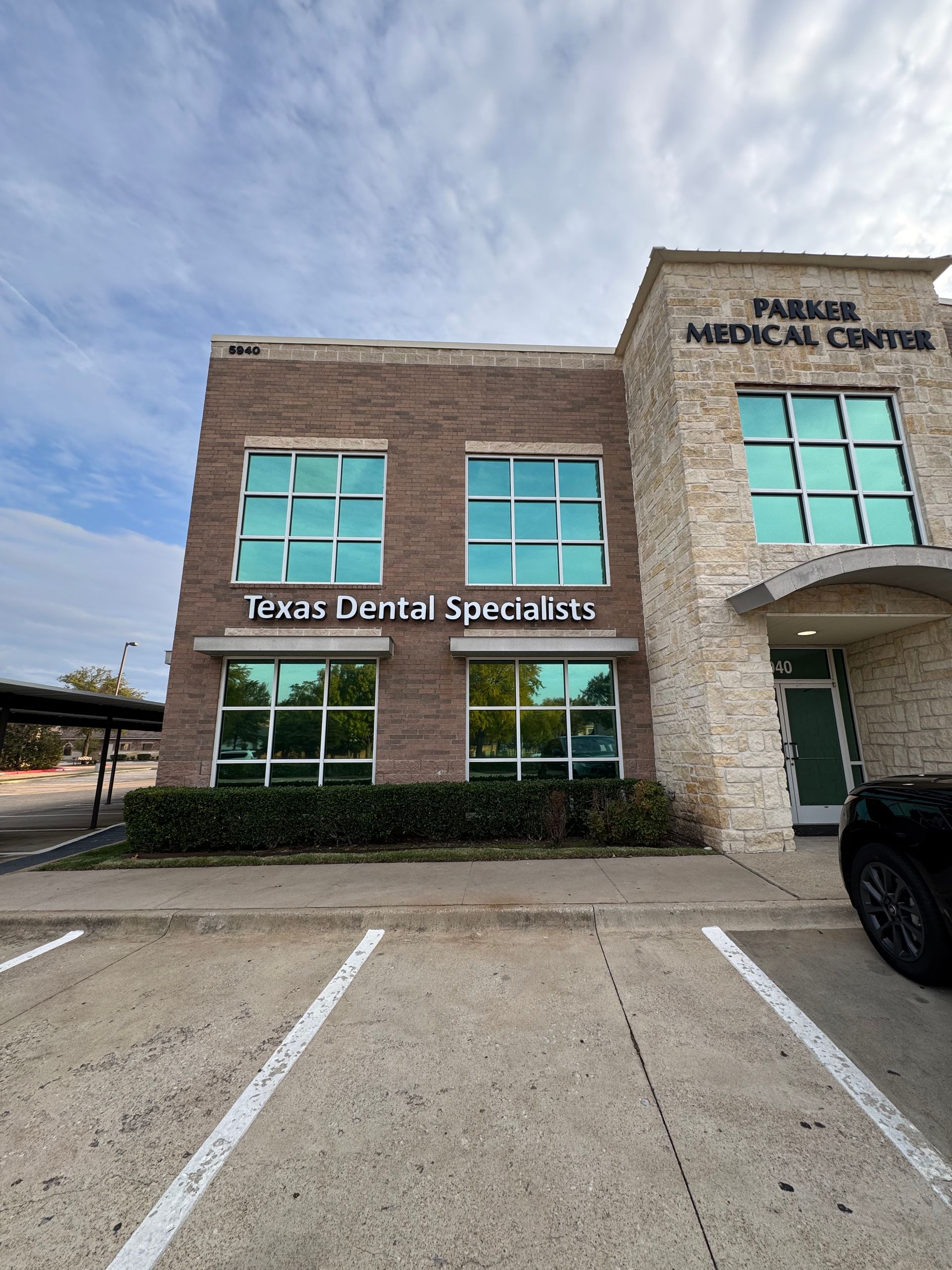
Texas Dental Specialists offers general and cosmetic dental services for patients in Plano, TX and surrounding communities. Those considering whitening, bonding, veneers, Invisalign, or another smile improvement can contact Texas Dental Specialists to request a consultation, share their concerns, and ask questions about possible next steps.