Sedation Dentistry for Dental Anxiety in Plano, TX: A Calmer Way to Care for Your Smile
For many people, scheduling a dental visit brings up more than a calendar reminder. It may bring a racing heart, tense shoulders, restless sleep the night before, or a strong urge to cancel. Dental anxiety is common, and it can affect patients of all ages and backgrounds. The good news is that modern dentistry offers gentle ways to help patients feel more comfortable, including sedation dentistry.
For patients searching for sedation dentistry for dental anxiety Plano TX, understanding the available options can make the first step feel less overwhelming. Sedation does not mean a patient is “weak” or unable to handle dental care. It simply means the dental team is using safe, appropriate comfort measures to support the patient’s needs.
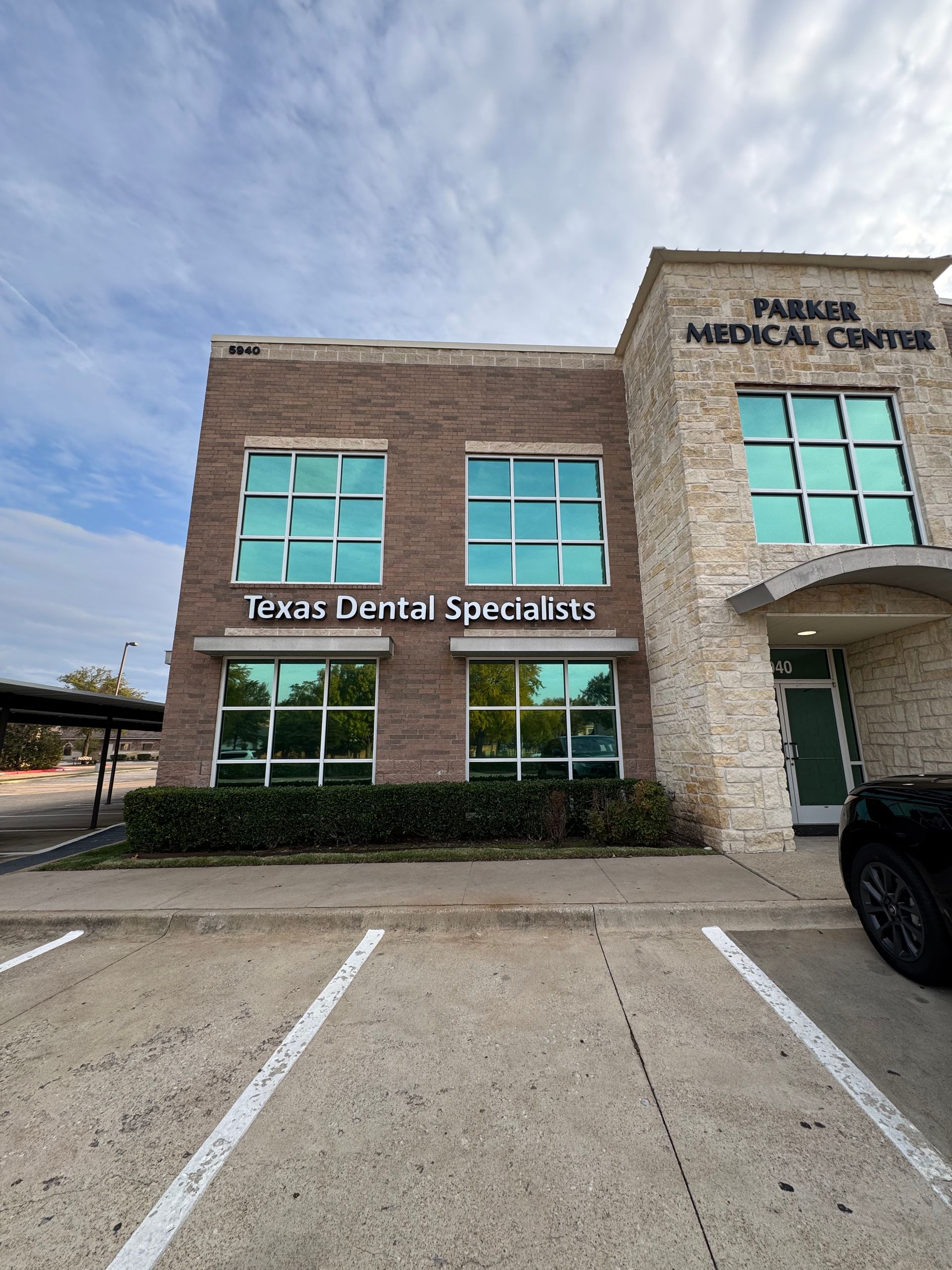
Texas Dental Specialists understands that trust, communication, and comfort matter just as much as clinical skill. This guide explains how sedation dentistry works, who may benefit, what to expect, and how patients can prepare for a calmer appointment.
This article is for general educational purposes only and is not a diagnosis or treatment recommendation. Patients should consult a licensed dentist or healthcare professional to determine whether sedation dentistry is appropriate for their health history, medications, anxiety level, and dental needs.
What Is Sedation Dentistry?
Sedation dentistry uses medication or calming agents to help patients relax during dental treatment. The goal is not always to put someone fully to sleep. In many cases, sedation simply helps reduce fear, tension, sensitivity to sounds, or the feeling that time is moving slowly.
Different types of sedation create different levels of relaxation. Some patients remain fully awake but calm. Others feel drowsy and may remember very little about the visit. The right option depends on the procedure, the patient’s medical history, and the level of anxiety involved.
Sedation dentistry is often used alongside local anesthesia. Local anesthesia numbs the treatment area so the patient should not feel sharp pain. Sedation helps the mind and body relax. Together, these tools can make dental care feel more manageable for patients who struggle with fear or discomfort.
How Dental Anxiety Can Affect Oral Health
Dental anxiety can start for many reasons. A patient may have had a painful experience years ago, felt embarrassed about their teeth, struggled with a sensitive gag reflex, or felt a loss of control in the dental chair. Sometimes anxiety appears without one clear cause.
When fear leads to delayed appointments, small dental concerns may become larger over time. A small cavity can turn into a toothache. Early gum inflammation can progress. A cracked tooth may become harder to restore. This cycle can make the next visit feel even more stressful.
Sedation dentistry can help break that cycle. By making appointments feel safer and more predictable, patients may be more likely to complete needed care and keep up with preventive visits. That can support healthier teeth, gums, and overall confidence.
Common Sedation Options for Anxious Dental Patients
Not every dental office offers every form of sedation, and not every patient is a candidate for every option. A dental team will review health history, medications, allergies, age, and treatment needs before recommending a sedation approach.
Nitrous Oxide
Nitrous oxide, often called “laughing gas,” is a mild form of sedation breathed in through a small nose mask. Patients usually remain awake and able to respond to the dentist. Many people describe feeling lighter, calmer, or less bothered by the sights and sounds of treatment.
One of the advantages of nitrous oxide is that it wears off quickly after the gas is stopped and oxygen is given. Many patients can return to normal activities soon afterward, although the dental team will provide specific instructions.
Oral Conscious Sedation
Oral conscious sedation typically involves taking a prescribed medication before the appointment. It can create deeper relaxation than nitrous oxide. Patients may feel very drowsy, and some remember little about the procedure afterward.
Because oral sedation can affect coordination and alertness, patients usually need a responsible adult to drive them to and from the appointment. The dentist will provide careful instructions about timing, food, drink, and medication use.
IV Sedation
IV sedation is administered through a vein and allows the sedation level to be adjusted during treatment. It may be recommended for patients with significant dental anxiety, longer procedures, complex treatment needs, or difficulty tolerating dental care in other ways.
IV sedation requires additional training, monitoring, and safety protocols. Patients considering IV sedation should ask what type of monitoring is used, who administers the sedation, and what pre-appointment instructions are required.
General Anesthesia
General anesthesia places the patient into a fully unconscious state. It is typically reserved for specific surgical procedures, extensive treatment needs, or patients who cannot safely tolerate care with lighter forms of sedation. This option requires specialized training, equipment, and monitoring.
Who May Benefit from Sedation Dentistry?
Sedation dentistry may be helpful for patients who avoid treatment because of fear, panic, embarrassment, or past negative experiences. It may also help those who have trouble sitting still for long appointments or who feel overwhelmed by dental sounds, smells, or sensations.
Patients may ask about sedation if they experience:
- Moderate to severe dental anxiety
- A strong gag reflex
- Difficulty getting numb or staying comfortable
- Sensitive teeth or mouth tissues
- Fear of needles or dental instruments
- Low tolerance for longer procedures
- Complex or multiple dental treatment needs
- Previous traumatic dental experiences
Sedation is not only for major procedures. For some anxious patients, even a routine cleaning can feel difficult. The dental team can discuss whether simple comfort measures, numbing options, or sedation may be appropriate.
Is Sedation Dentistry Safe?
When properly planned and monitored, sedation dentistry can be a safe option for many patients. Safety starts before the appointment. The dental team needs accurate information about the patient’s medical conditions, prescription medications, over-the-counter drugs, supplements, allergies, pregnancy status, sleep apnea, and history of reactions to anesthesia or sedation.
During sedation, the team may monitor breathing, oxygen levels, blood pressure, pulse, and level of consciousness, depending on the type of sedation used. The deeper the sedation, the more monitoring and preparation are required.
Patients can support a safe experience by following pre-visit instructions closely. This may include fasting before certain types of sedation, avoiding alcohol, arranging transportation, and taking medications only as directed.
Some patients may need medical clearance before sedation. This can be especially important for people with heart conditions, lung disease, uncontrolled diabetes, certain neurological conditions, sleep apnea, or complex medication lists. A careful review helps the dentist choose the safest approach.
What to Expect at a Sedation Dentistry Consultation
A sedation consultation is the time to talk openly. Patients do not need to minimize their fears or feel embarrassed. A good dental team wants to understand what has been difficult in the past and what would make the next visit easier.
The dentist may ask questions such as:
- What part of dental treatment feels most stressful?
- Has the patient had sedation or anesthesia before?
- Were there any side effects or complications?
- What medications and supplements does the patient take?
- Does the patient have sleep apnea, breathing concerns, or major health conditions?
- How long or complex is the planned dental treatment?
The consultation may also include a dental exam and imaging if needed. The dentist can then recommend a treatment plan and explain sedation choices, risks, benefits, instructions, and expected recovery.
Preparing for a Sedation Dental Appointment
Preparation depends on the type of sedation. For mild options like nitrous oxide, instructions may be simple. For oral sedation, IV sedation, or general anesthesia, the instructions may be more detailed.
Patients should expect to receive guidance about:
- When to stop eating or drinking before the visit, if needed
- Which medications to take or avoid
- Whether a driver or caregiver is required
- What to wear to the appointment
- How long to rest afterward
- When it is safe to return to work, school, exercise, or driving
It is also helpful to plan the day around comfort. Patients may want to wear loose clothing, avoid scheduling important tasks afterward, and prepare soft foods at home if dental treatment may leave the mouth tender.
What Recovery Feels Like
Recovery varies based on the sedation type and the dental procedure performed. Nitrous oxide usually wears off quickly. Oral sedation and IV sedation can cause drowsiness for several hours, and patients may feel a little groggy or forgetful afterward.
For deeper sedation, patients should not drive, drink alcohol, sign important documents, operate machinery, or make major decisions until the dental team says it is safe. Having a trusted adult nearby after the appointment can provide peace of mind.
Any discomfort after treatment is usually related to the dental procedure itself rather than sedation. The dentist will explain how to manage soreness, what foods to eat, and what symptoms should prompt a call to the office.
Questions to Ask About Sedation Dentistry in Plano, TX
Patients searching for sedation dentistry for dental anxiety in Plano, TX should feel comfortable asking questions before moving forward. Clear answers can make the experience feel much less mysterious.
Helpful questions include:
- Which sedation options may be appropriate for this procedure?
- What level of training does the provider have for this type of sedation?
- How will the patient be monitored during the appointment?
- What side effects are possible?
- Will the patient need a driver?
- How long will the sedation effects last?
- What should the patient avoid before and after the appointment?
- How are dental anxiety and comfort handled if sedation is not the best choice?
Cost and insurance coverage are also worth discussing early. Sedation fees may vary based on the type of sedation, appointment length, and procedure. Dental insurance may or may not cover sedation, depending on the plan and medical necessity. The office team can help patients review estimates and available payment options.
Comfort Goes Beyond Sedation
Sedation is one helpful tool, but patient comfort begins with communication. Many anxious patients benefit from a stop signal, step-by-step explanations, noise-reducing headphones, breaks during treatment, topical numbing gel before injections, or simply knowing what to expect.
A compassionate dental team will not rush through concerns. Instead, the team can help create a plan that gives the patient more control. That may include starting with a consultation only, completing treatment in shorter visits, or using relaxation techniques along with sedation.
Preventive care also plays a role. Regular checkups and cleanings can help catch problems earlier, when treatment may be simpler and shorter. For anxious patients, building positive low-stress experiences over time can make future visits feel easier.
When to Reach Out for Help
If dental fear has kept a patient from scheduling care, that patient is not alone. Avoidance is common, but it does not have to be permanent. A conversation with a dental team can be the first step toward a more comfortable experience.
Patients should reach out promptly if they have tooth pain, swelling, bleeding gums, a broken tooth, signs of infection, or difficulty chewing. Sedation may help make evaluation and treatment less stressful, but urgent symptoms should not be ignored.
Frequently Asked Questions About Sedation Dentistry
Will sedation dentistry put the patient to sleep?
Not always. Many sedation options relax the patient while they remain awake and able to respond. Nitrous oxide and oral conscious sedation are often used this way. Deeper sedation or general anesthesia may create little to no memory of the procedure, but the level depends on the method used and the patient’s needs.
Is sedation dentistry only for people with severe anxiety?
No. While sedation can be very helpful for severe dental anxiety, it may also support patients with a strong gag reflex, difficulty sitting through long visits, sensitive teeth, or complex treatment needs. The dentist will help determine whether sedation is appropriate.
Can a patient drive after sedation dentistry?
It depends on the type of sedation. Many patients can drive after nitrous oxide once the dentist confirms they are recovered. Patients who receive oral sedation, IV sedation, or general anesthesia usually need a responsible adult to drive them home and may need to rest for the remainder of the day.
Does sedation dentistry replace numbing?
Usually, no. Sedation helps with relaxation, while local anesthesia numbs the treatment area. Many dental procedures use both so the patient can feel calm and comfortable during care.
How should an anxious patient prepare for the first visit?
The first step can simply be a conversation. Patients can share past experiences, fears, triggers, medical history, and goals. They may want to write down questions ahead of time and ask whether the first appointment can focus on consultation and planning rather than treatment.
Is sedation dentistry covered by insurance?
Coverage varies widely. Some plans may cover sedation for certain procedures or medical needs, while others consider it an out-of-pocket comfort option. Patients should ask the dental office for an estimate and contact their insurance provider for plan-specific details.
A Calmer Dental Visit Is Possible
Dental anxiety can feel isolating, but it is something dental teams help patients navigate every day. With modern sedation options, clear communication, and a patient-centered approach, care can feel more manageable than many people expect.
For patients looking into sedation dentistry for dental anxiety in Plano, TX, Texas Dental Specialists welcomes questions and conversations about comfort. The next step does not have to be a major procedure. It can be a simple consultation, a chance to talk through concerns, and a plan designed around the patient’s health, safety, and peace of mind.