Teeth Whitening in Plano, TX: A Patient’s Guide to a Brighter Smile
A brighter smile can make a meaningful difference in how a person feels in photographs, at work, and during everyday conversations. However, choosing among whitening toothpastes, store-bought kits, and professional treatment can feel confusing.
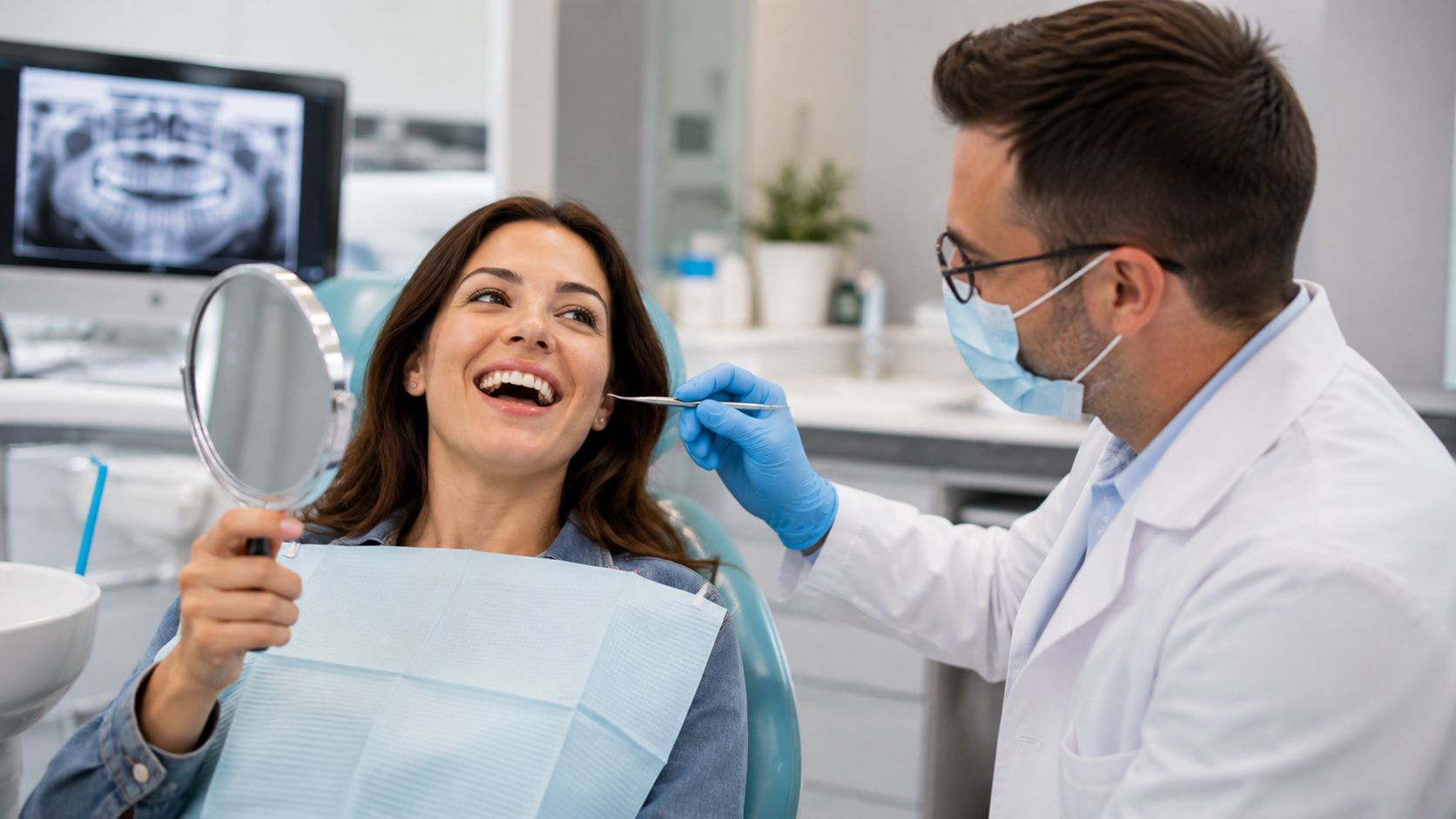
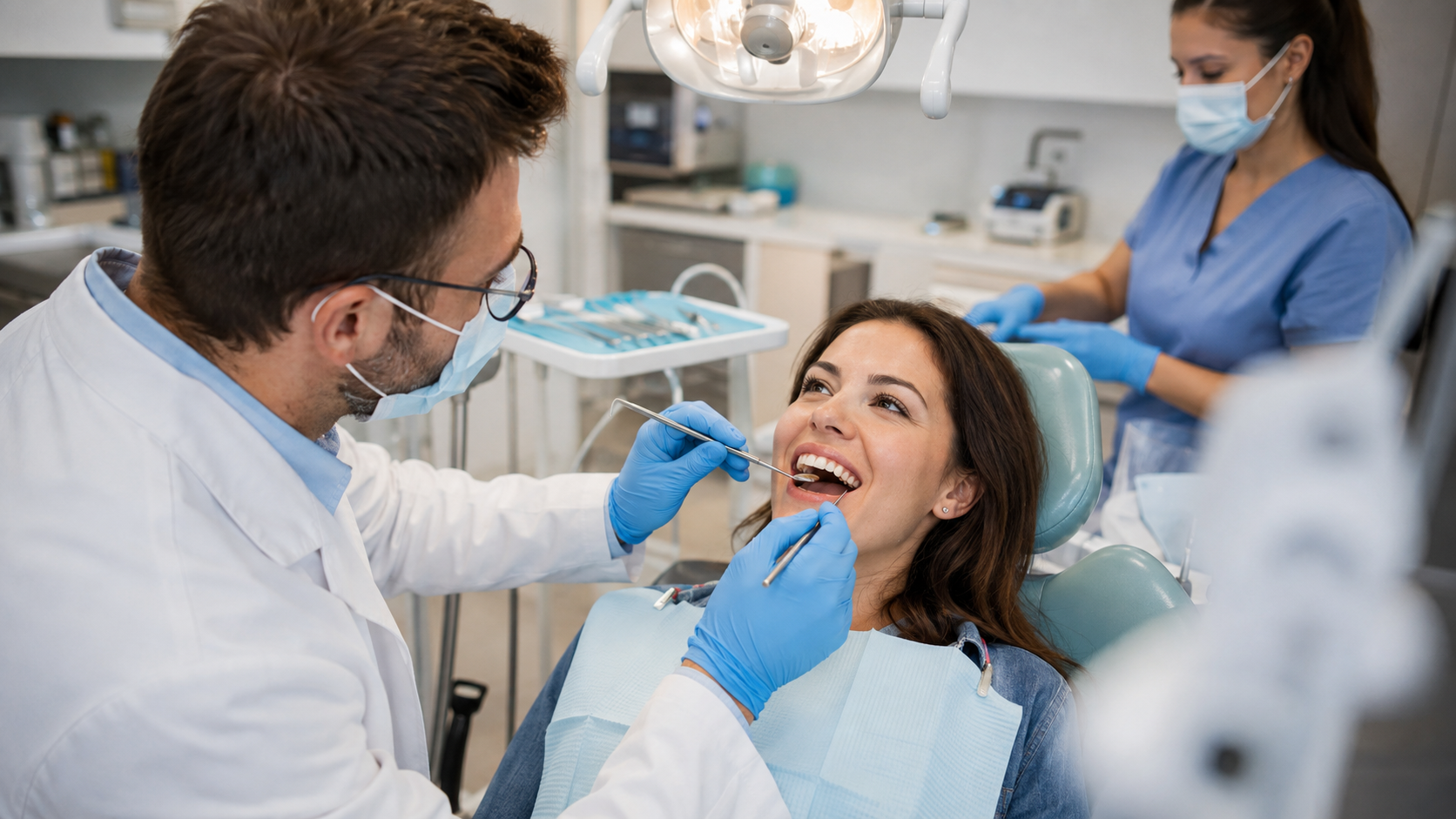
Professional teeth whitening in Plano, TX, begins with something an over-the-counter product cannot provide: a dental evaluation. A dentist can examine the teeth, identify the type of discoloration, review existing dental work, and help determine whether whitening fits the patient’s goals.
This guide explains why teeth become discolored, what professional whitening involves, who may be a suitable candidate, and how patients can help preserve their results.
Why Do Teeth Become Stained or Discolored?

Tooth color varies naturally. Some people have brighter enamel, while others have teeth with warmer ivory or yellow tones. Teeth may also become darker or less uniform over time.
Common contributors to visible staining include:
- Coffee, tea, red wine, and dark-colored soft drinks
- Tobacco use
- Deeply pigmented foods and sauces
- Normal age-related changes in the appearance of teeth
- Plaque or tartar buildup
- Past dental injury or changes within an individual tooth
- Certain medications or developmental changes
Not every type of discoloration responds in the same way. Surface stains may be easier to address than color changes originating within a tooth. An individual tooth that has become noticeably darker than the surrounding teeth also deserves a dental evaluation rather than immediate self-treatment.
What Is Professional Teeth Whitening?
Teeth whitening, sometimes called bleaching, is a cosmetic dental treatment intended to lighten the appearance of natural tooth enamel. Depending on the patient’s needs and the dentist’s recommendations, professional care may involve treatment performed in the dental office, a dentist-supervised take-home system, or another customized approach.
The important word is customized. A whitening plan should consider the starting shade, the desired result, oral health, prior sensitivity, and the location of fillings, crowns, veneers, or bonding.
Texas Dental Specialists provides teeth whitening in Plano as a cosmetic option for patients interested in refreshing their smiles. Because every smile is different, the first step is discussing expectations with the dental team.
Professional Whitening vs. Store-Bought Products
Whitening toothpastes, strips, gels, and kits are widely available. While convenience is appealing, selecting a product without knowing why the teeth look darker can lead to disappointing or uneven results.
Professional whitening
Professional care includes an oral evaluation and a plan based on the patient’s smile. The dental team can explain what whitening can and cannot change, account for visible restorations, and provide instructions for using the selected system.
Over-the-counter products
Store-bought options use standardized designs and instructions. A strip or tray may not fit every smile evenly, particularly around rotated, crowded, or differently shaped teeth. Results can also vary because product formulas, wear schedules, and starting shades differ.
Whitening toothpaste
Whitening toothpaste generally focuses on removing or reducing the appearance of surface stains rather than changing the underlying color of the teeth. Patients should use any oral care product according to its directions and ask a dentist which option fits their needs.
What Can—and Cannot—Be Whitened?
One of the most important facts about whitening is that it works on natural tooth enamel. Tooth-colored fillings, crowns, veneers, bridges, and bonding do not whiten in the same way.
This distinction matters when dental work appears in the smile zone. For example, if a front tooth has a tooth-colored crown that currently matches the surrounding teeth, whitening the natural teeth may make the crown appear darker by comparison.
A dentist can assess how existing restorations may affect the overall result. If replacement of a visible restoration is appropriate, its timing can be coordinated with the whitening plan. Patients should not assume that every restoration must be replaced; the recommendation depends on its condition, position, color, and the patient’s priorities.
Whitening also does not alter tooth shape, alignment, chips, gaps, or missing teeth. Those concerns may call for a broader cosmetic dentistry conversation.
What to Expect at a Teeth Whitening Consultation
A consultation is an opportunity to create realistic goals—not to pressure a patient into treatment. The visit may include a review of dental history, an examination of the teeth and gums, and a discussion of the patient’s preferred shade.
Patients can expect the dental team to consider questions such as:
- Is the discoloration mostly on the surface, or does it appear to come from within a tooth?
- Are there fillings, crowns, veneers, or bonding in visible areas?
- Has the patient experienced discomfort with cold foods, brushing, or previous whitening?
- Does one tooth look different from the others?
- Is the goal a subtle refresh or a more noticeable change?
Patients should mention any pain, cracks, loose dental work, bleeding gums, or recent dental treatment. These details help the dentist decide whether whitening should proceed, be modified, or wait until another concern has been evaluated.
Will Teeth Whitening Look Natural?
Many patients want a smile that looks refreshed rather than artificial. A natural result usually begins with realistic shade selection. The brightest possible shade is not automatically the most flattering choice.
Natural teeth are not one flat color. They may appear slightly darker near the gumline or more translucent near the edges. The final appearance can also be influenced by lighting, skin tone, lipstick, surrounding restorations, and the starting color of the enamel.
Patients can help by describing the look they want and sharing whether they are preparing for an event, updating older dental work, or simply hoping to reduce everyday staining. Whitening outcomes vary, and no dentist or product can promise an exact shade in advance.
How to Prepare for Whitening
Preparation is usually straightforward. Patients should continue brushing and flossing as directed and attend any recommended preventive appointments. A professional cleaning and whitening serve different purposes: a cleaning removes plaque, tartar, and certain surface deposits, while whitening is intended to change the appearance of natural enamel.
Before treatment, patients should:
- Share their complete dental history and current concerns.
- Identify any teeth that feel uncomfortable or unusually sensitive.
- Ask how existing restorations could affect color matching.
- Follow the dentist’s instructions rather than extending product use independently.
- Discuss upcoming photographs or special events so the plan can be timed appropriately.
If discomfort develops during any whitening plan, the patient should stop improvising and contact the dental office for guidance.
Maintaining a Brighter Smile
Whitening is not necessarily permanent because the teeth remain exposed to foods, drinks, tobacco, and normal changes over time. However, simple habits can help patients care for their smiles after treatment.
- Brush twice daily using a dentist-recommended toothpaste.
- Clean between the teeth each day.
- Keep regular dental examinations and cleanings.
- Rinse with water after consuming strongly colored drinks.
- Use a straw for appropriate cold beverages if preferred.
- Avoid tobacco products.
- Follow the dental team’s instructions for any touch-up plan.
Patients do not need to approach every meal with worry. Consistent oral hygiene and sensible choices are more practical than trying to avoid every food that contains pigment.
How Much Does Teeth Whitening Cost in Plano?
The cost of teeth whitening in Plano, TX, depends on the type of system, the amount of customization involved, and the patient’s individual needs. An advertised fee may not reveal whether an examination, trays, follow-up care, or other services are included.
Because whitening is generally cosmetic, dental insurance may not cover it. Patients should ask the office for a clear estimate and find out what is included before making a decision. Choosing treatment solely by the lowest advertised price can overlook fit, supervision, suitability, and the condition of existing dental work.
Frequently Asked Questions About Teeth Whitening
Is professional teeth whitening suitable for everyone?
No single cosmetic treatment is right for every person. Suitability depends on oral health, the cause of discoloration, existing restorations, dental history, and personal goals. A dental evaluation is the best place to start.
Will whitening change the color of crowns or fillings?
Whitening is intended for natural enamel. Crowns, veneers, fillings, and bonding generally do not change shade in the same manner, so visible dental work should be reviewed before treatment.
Can whitening fix one dark tooth?
A single dark tooth may have a different cause than general staining. It should be examined before a whitening product is used. The dentist can explain which cosmetic or restorative options may be relevant after evaluating the tooth.
How white will the teeth become?
Results vary according to the original tooth color, type of discoloration, selected method, and individual response. A dentist can discuss reasonable expectations, but an exact final shade cannot be guaranteed.
How long do results last?
There is no universal timeline. Diet, tobacco exposure, oral hygiene, natural tooth characteristics, and the chosen whitening approach can all affect how the smile changes afterward. The dental team may recommend an individualized maintenance plan.
Should whitening be completed before crowns or veneers?
Sometimes color planning is coordinated before new cosmetic restorations are made, but the correct sequence depends on the treatment plan. Patients considering both whitening and restorative work should discuss the complete smile goal with their dentist first.
Explore Teeth Whitening in Plano, TX
A brighter smile should begin with clear information and a plan designed around the individual—not a one-size-fits-all promise. A professional consultation can clarify the cause of discoloration, identify factors that may affect the result, and help the patient choose an approach that feels comfortable and realistic.
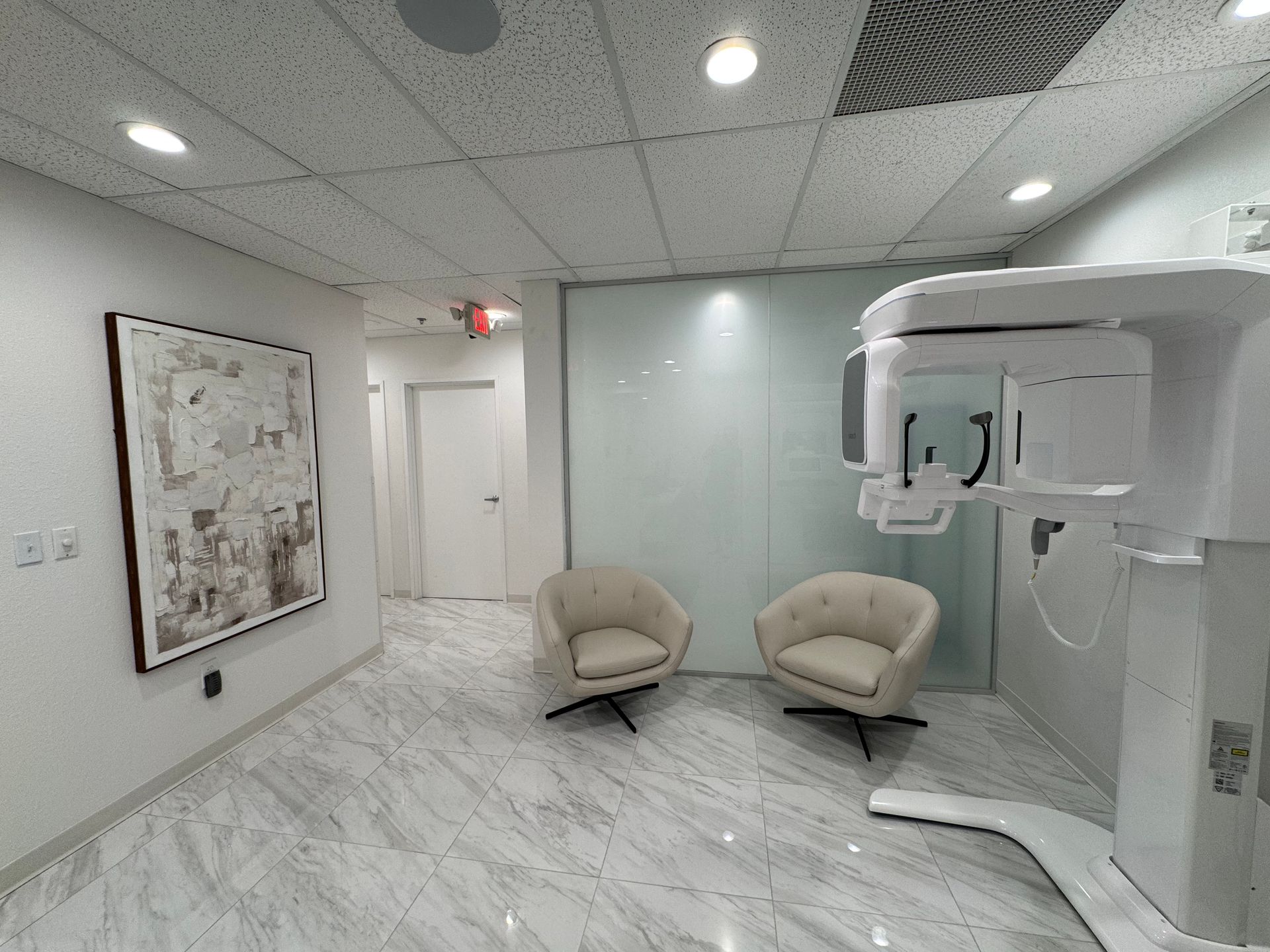
Patients interested in teeth whitening in Plano, TX, can contact Texas Dental Specialists to ask questions or schedule a consultation. The practice is located in Plano, TX, and can help patients explore whether professional whitening is an appropriate next step for their smiles.